
Redefining Who Holds Power in AYSRHR Systems:
A Conversation with Chengetai Dziwa
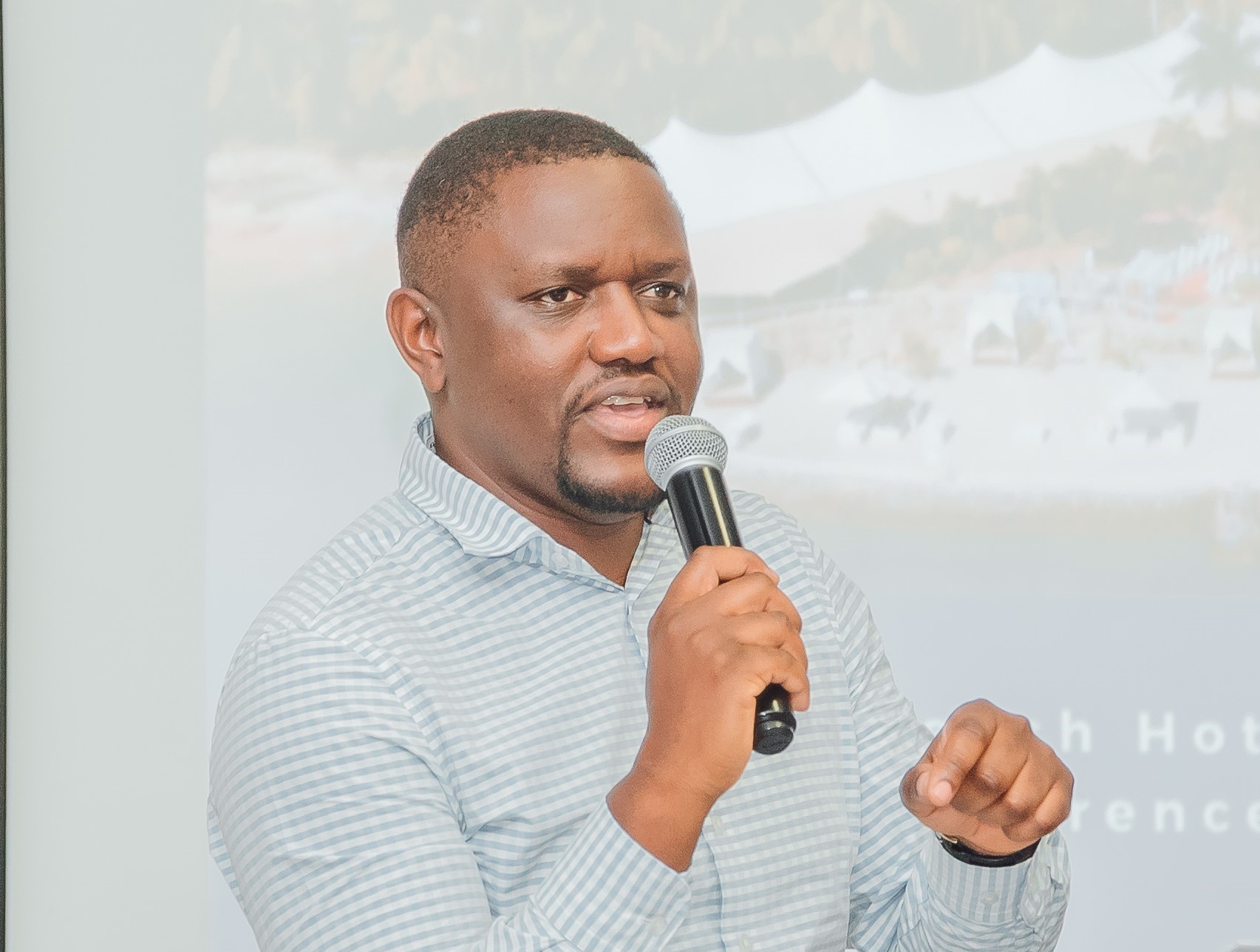
Chengetai Dziwa
Senior M&E Advisor at Frontline AIDS
Chengetai Dziwa is a seasoned monitoring and evaluation (M&E) specialist with over 15 years of experience in designing and leading multi-country programmes focused on marginalized populations, particularly adolescents and young people. His work has centred on strengthening health systems, advancing human rights, and promoting gender-responsive interventions, with a strong emphasis on adolescent and youth sexual and reproductive health and rights (AYSRHR).
Currently, as a Senior M&E Advisor at Frontline AIDS, he oversees the measurement of the READY portfolio of youth-focused programmes across seven African countries, ensuring robust M&E frameworks drive measurable impact in SRHR and HIV. His expertise directly aligns with youth partnerships through his leadership in initiatives like the READY+ programme, where he co-created the READY Academy, a capacity-building platform for young leaders and partners. His work prioritizes youth agency, from designing peer-led programmes to commissioning evaluations on health outcomes for adolescents and young people.
In this blog post, he is interviewed by Yemurai Nyoni, the Monitoring and Evaluation Associate at the YIELD Hub. Over the course of the interview, Chengetai explains the importance of theoretical frameworks in guiding work on youth partnerships. He speaks on the shifts in power dynamics required to enable youth partnership, and how these shifts can be measured more effectively.
What inspired you to join the ToC on Youth Partnership in AYSRHR working group?
“What inspired me to join the working group is my deep commitment to ensuring that young people are not just beneficiaries but active participants of the programmes that affect their lives. Over my career in M&E, I have seen how youth-led insights transform the effectiveness of SRHR initiatives. This working group aligns with my belief that sustainable change requires frameworks grounded in youth agency and evidence. By contributing to the ToC, I aim to bridge technical rigor with participatory design, ensuring strategies are both measurable and meaningful to the communities they serve”
What was your role in the working group, and how did you contribute to creating the ToC and indicator guide?
“As a member of the working group in 2023, my role centred on leveraging my expertise in monitoring, evaluation, and youth-focused programming to help refine the ToC and develop the accompanying indicator guide. I contributed technical insights to ensure the ToC was both evidence-based and participatory, drawn from my years of experience in designing M&E frameworks for adolescent and youth SRHR initiatives, such as leading the READY+ programme’s multi-country evaluations and co-creating youth capacity-building platforms. In addition, I collaborated to align the ToC’s pathways with measurable outcomes, emphasizing youth agency and ethical engagement. My contributions included refining and ensuring the guide integrated practical tools for adaptive learning”
Youth partnership seems like a new or different concept from ideas such as youth participation and youth engagement. From your understanding, please explain what youth partnership in AYSRHR is and how it links with broader youth movements.
“I think youth partnership in AYSRHR goes beyond traditional notions of youth participation or engagement by emphasizing equitable collaboration, shared decision-making, and sustained leadership of young people in designing, implementing, and evaluating programmes that affect their lives. Unlike once-off consultations or tokenistic involvement, youth partnership treats young people as co-owners of AYSRHR initiatives, ensuring their expertise shapes policies, funding priorities, and accountability mechanisms. Ultimately, this approach transforms youth from beneficiaries to strategic allies in achieving global health goals”
What role can youth partnership play in improving AYSRHR outcomes?
“Youth partnership is a transformative approach that actively involves young people as equal collaborators in shaping AYSRHR policies, programmes, and accountability mechanisms. This I believe, leads to more relevant, effective, and sustainable outcomes. Unlike traditional participation models, it goes beyond consultation to empower youth as decision-makers, ensuring interventions reflect their lived realities and priorities.
By embedding youth voices in design, implementation, and evaluation, this approach not only addresses immediate SRHR gaps but also strengthens broader youth movements advocating for intersectional rights, from gender equity to climate justice. Ultimately, youth partnership shifts power dynamics, making young people central to the processes from planning to implementation and not just as beneficiaries but as active participants in informing systems that affect their health and future”
What is the purpose of a theory of change on youth partnership in AYSRHR? Is it necessary? Is it important?
“A Theory of Change (ToC) for youth partnership in AYSRHR serves as a critical roadmap to transform vision into tangible impact, and yes, it is necessary and important. It articulates how authentic youth collaboration leads to better SRHR outcomes by defining pathways for change, testing assumptions, and establishing accountability measures. Unlike other tools, this framework helps in moving beyond tokenistic participation, and ensures that youth are genuine partners in designing, implementing, and evaluating programmes that affect their lives”
What makes this ToC different from other tools in the AYSRHR field? What makes it unique?
“A theory of change stands out from other planning and evaluation tools in AYSRHR because it works backward from long-term goals to map causal pathways, emphasizing the “how” and “why” of change. Unlike rigid models like log-frames or logic models, it is adaptive and participatory, explicitly outlining assumptions and external influences. It bridges strategy and evaluation by integrating learning and stakeholder input, making it ideal for complex, systemic initiatives where linear approaches are inadequate. This makes the ToC a dynamic framework for both planning and continuous improvement”
What are the current gaps in measuring change in youth partnership in AYSRHR, and how does the indicator guide help address this? What gaps remain?
“I believe one of the main gaps is that measuring youth partnership currently does not fully involve youth input. While there are efforts to ensure that youth take the lead in programmes that make use of these tools, it is important to also build their capacity so that they acquire the skills needed to measure change. In addition to building the capacity of youth to meaningfully and ethically participate in M&E, measurement processes need to be simplified”
How can individuals and organisations working in the AYSRHR field best use this new ToC and indicator guide?
“Individuals and organizations in the AYSRHR field can leverage this ToC and indicator guide by integrating them into programme design, implementation, and evaluation to institutionalize meaningful youth partnership. I propose that organisations align their strategies to the pathways of the ToC. Organizations should also adapt the framework to local contexts while maintaining its core principles. This requires moving beyond tokenism, as well as treating the ToC not as an add-on, but as a blueprint for redefining who holds power in AYSRHR systems”
The new Theory of Change on Youth Partnership in AYSRHR designed by Chengetai and colleagues in the working group, is just one part of a broad map of available tools in the field. It in envisioned to serve as a resource to help organisations to clarify the design and evaluation of their youth partnership interventions, and to identify areas for further investment. It is an iterative tool, that is expected to shift and change over the years in line with emerging trends and evidence affecting the field.
The new Theory of Change on Youth Partnership in AYSRHR has been released with a set of guidelines that include sample indicators for use in tracking changes in youth partnership at individual level, within the SRHR ecosystem, and in society. You can access the ToC and its related resources here:
If you or your organisation would like to sign on to endorse and amplify the ToC, please follow this link:
Meanwhile, look out for updates on the YIELD Hub platforms on new opportunities to strengthen the measurement of youth partnership in AYSRHR.